

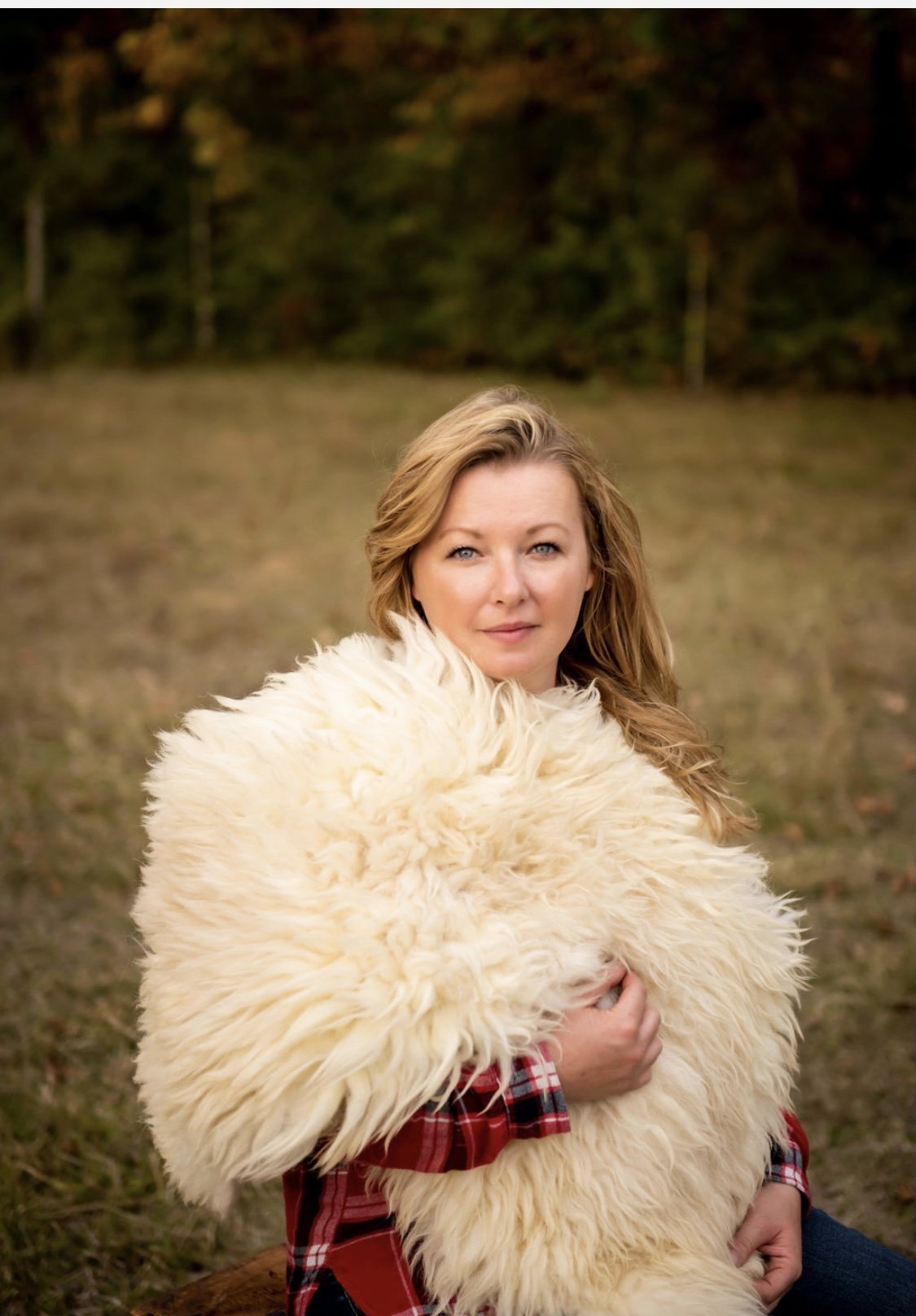
kathadin/icelandic sheepskin naturally tanned
Photo: Karis Joy Photography, Brookville, Indiana.


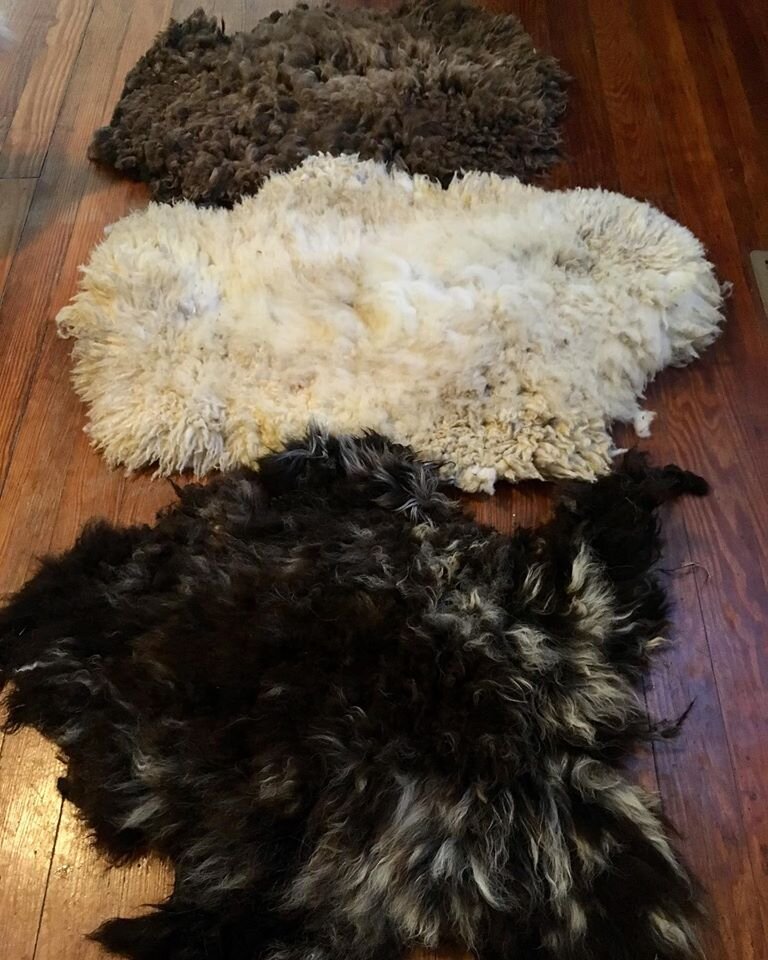

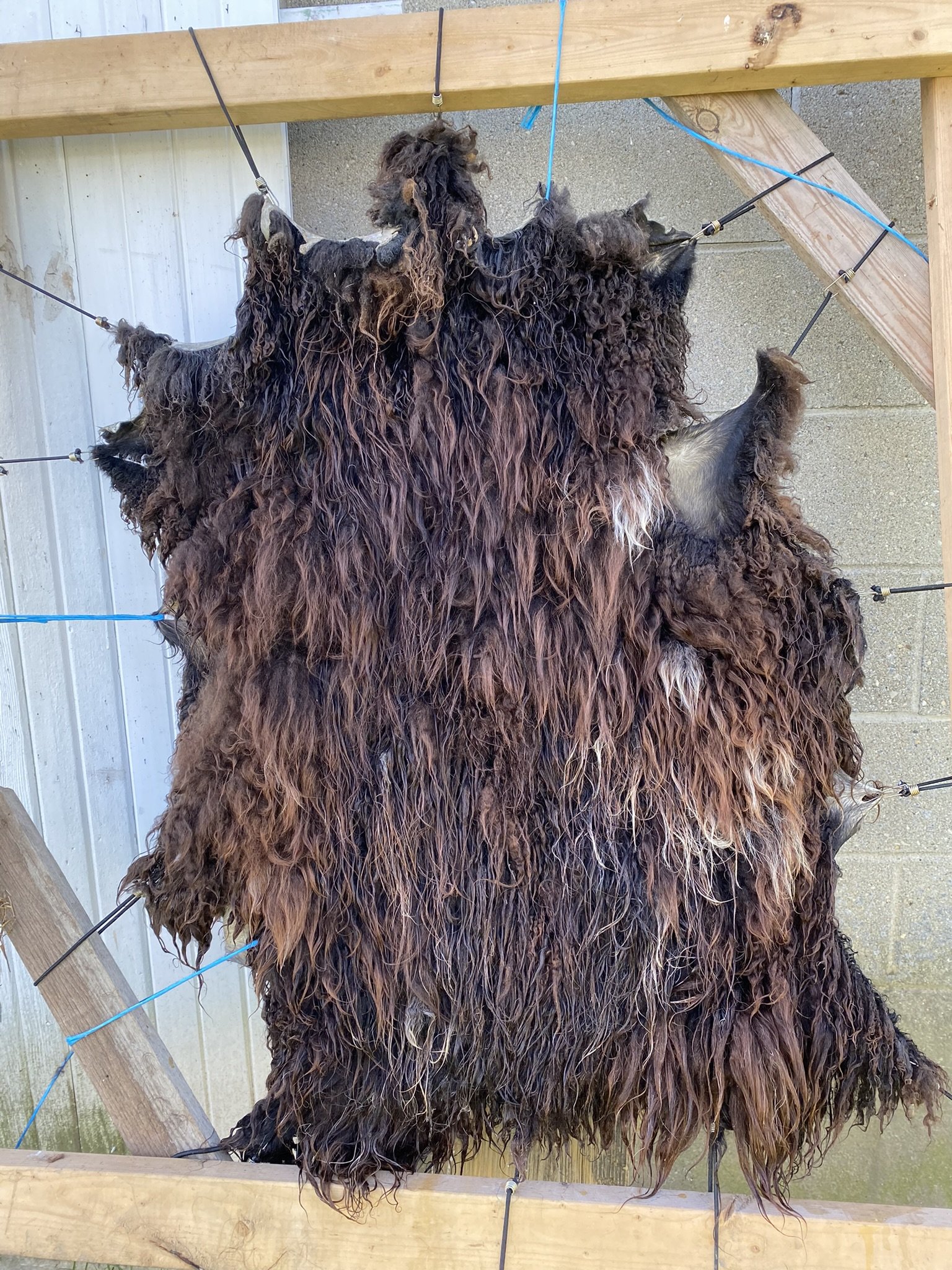
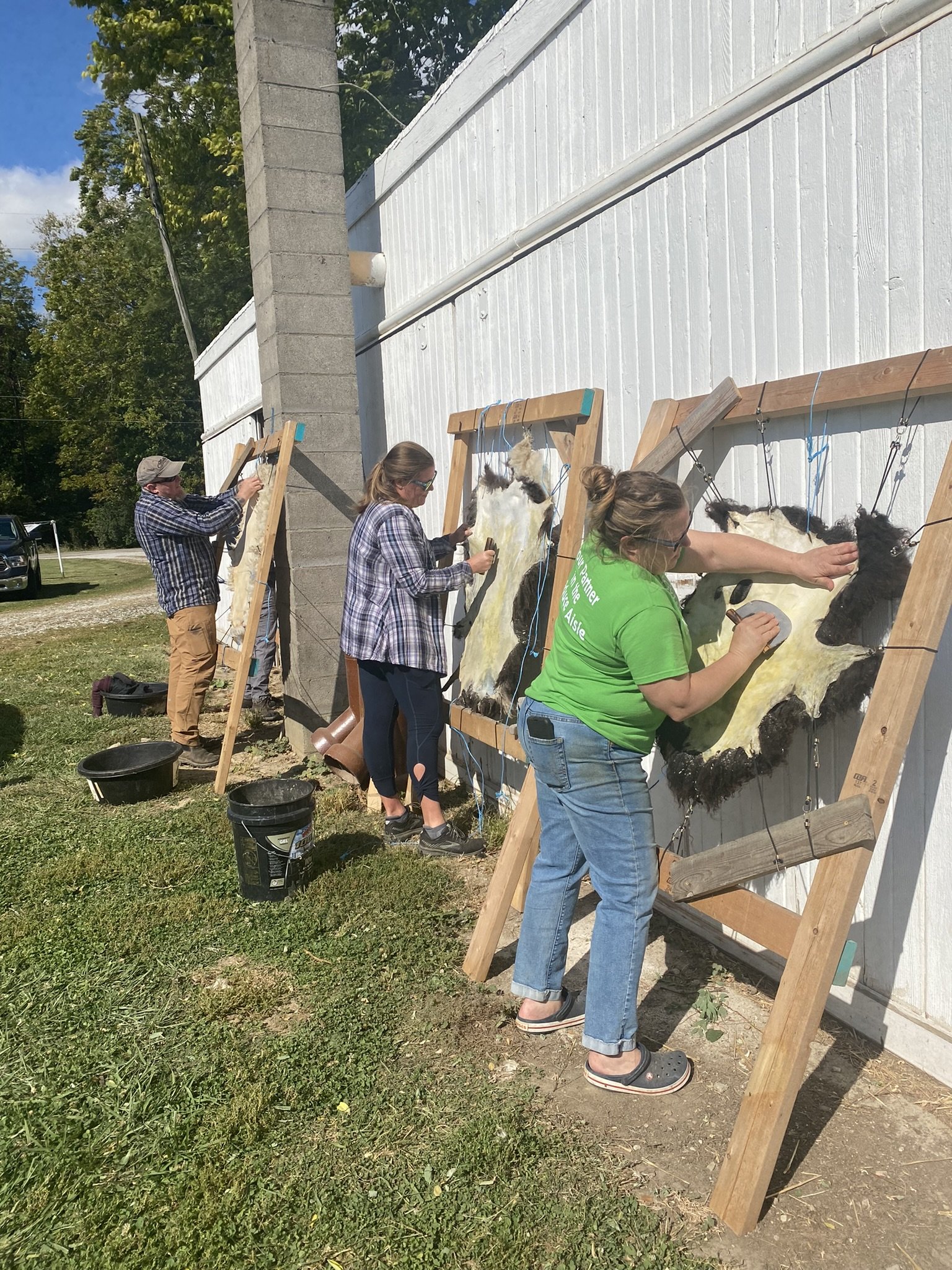
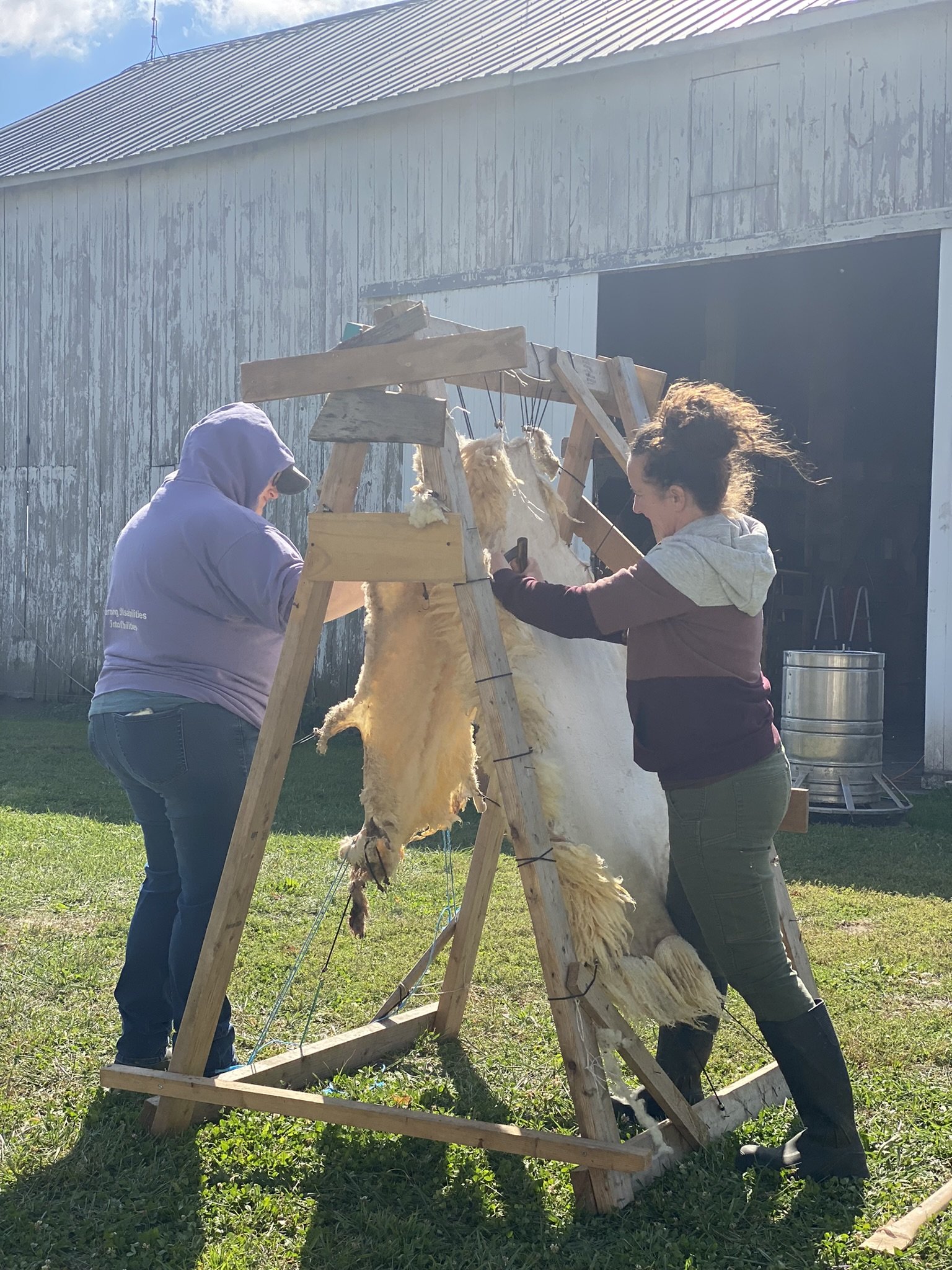
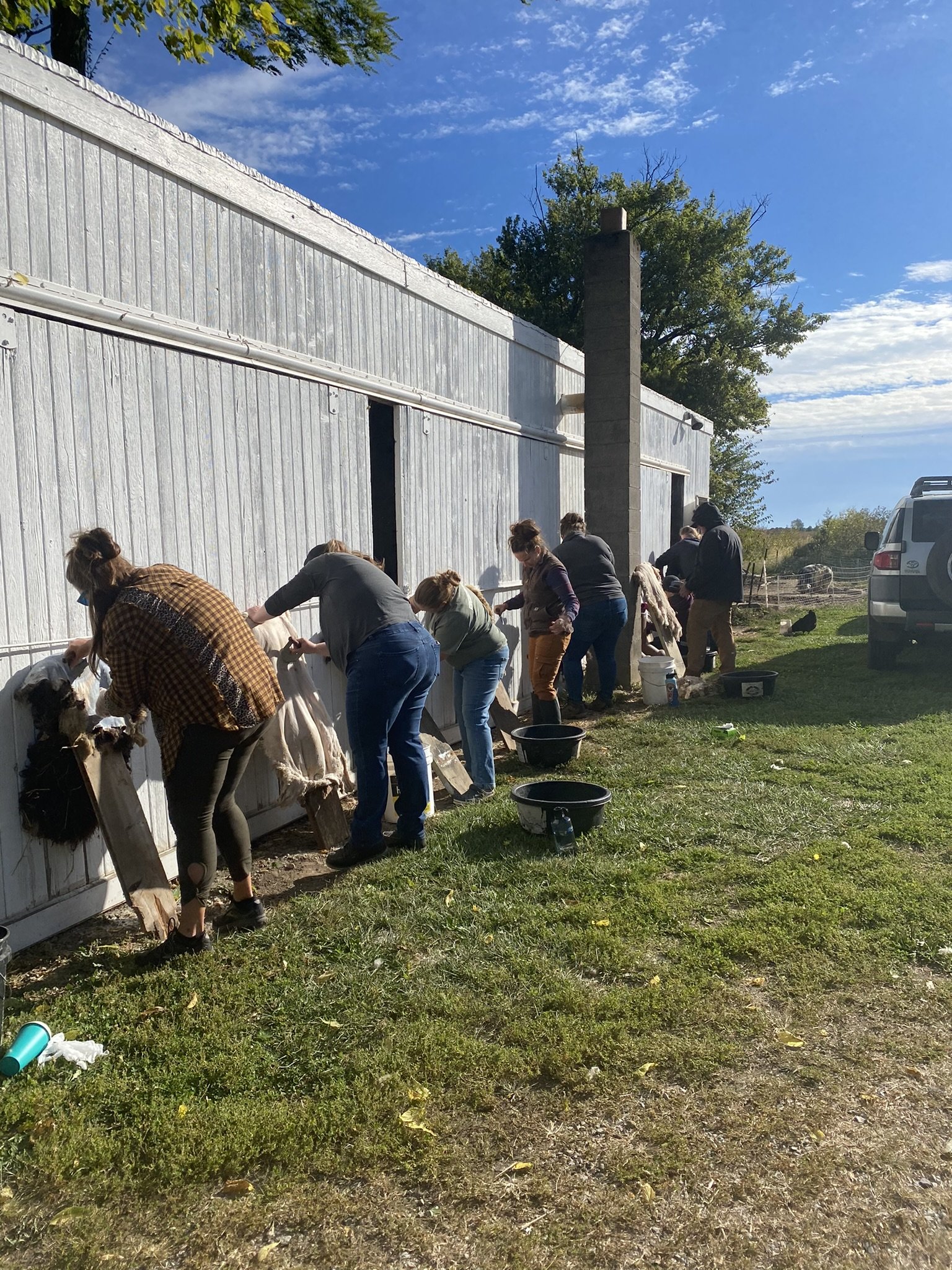
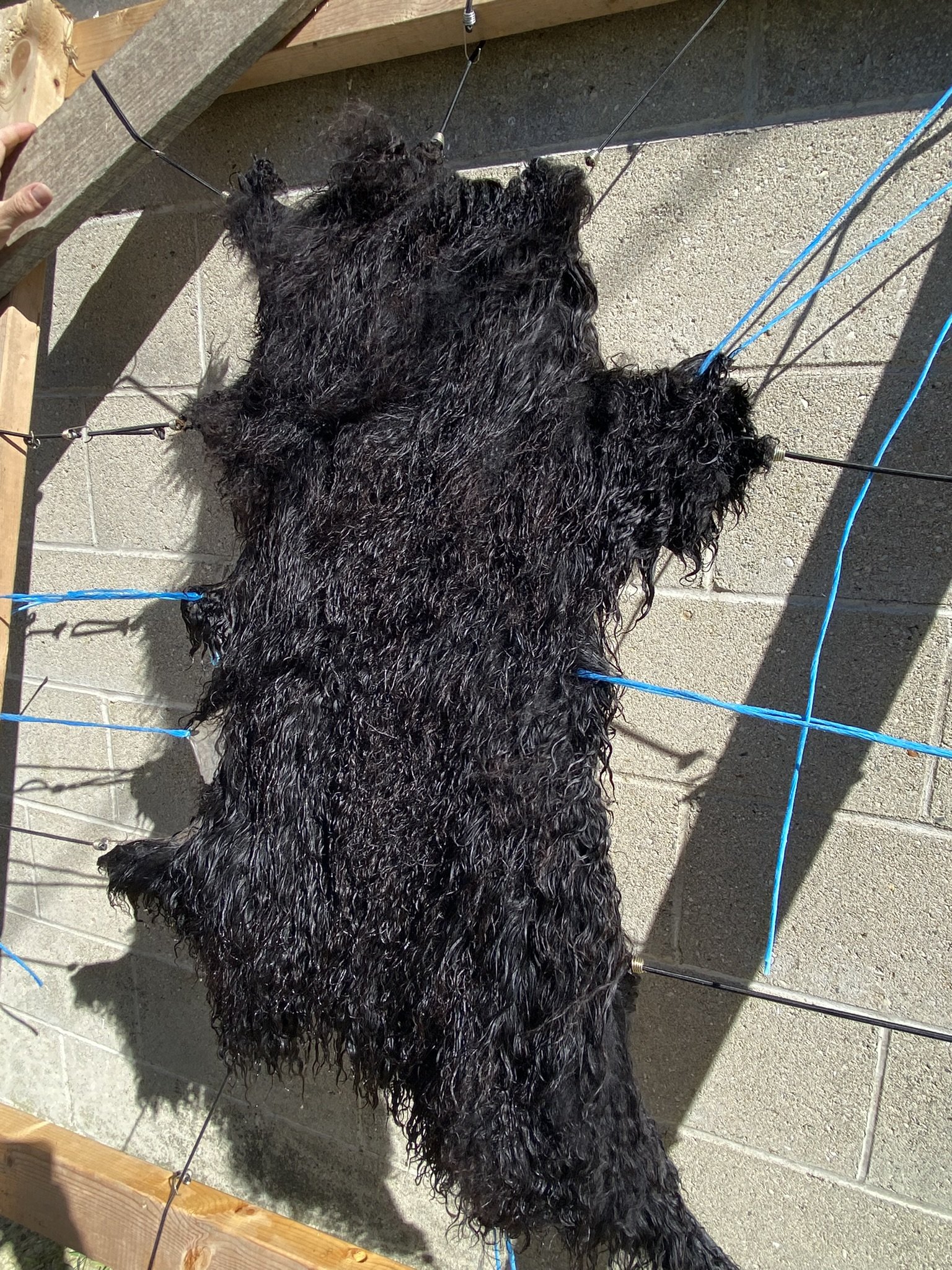
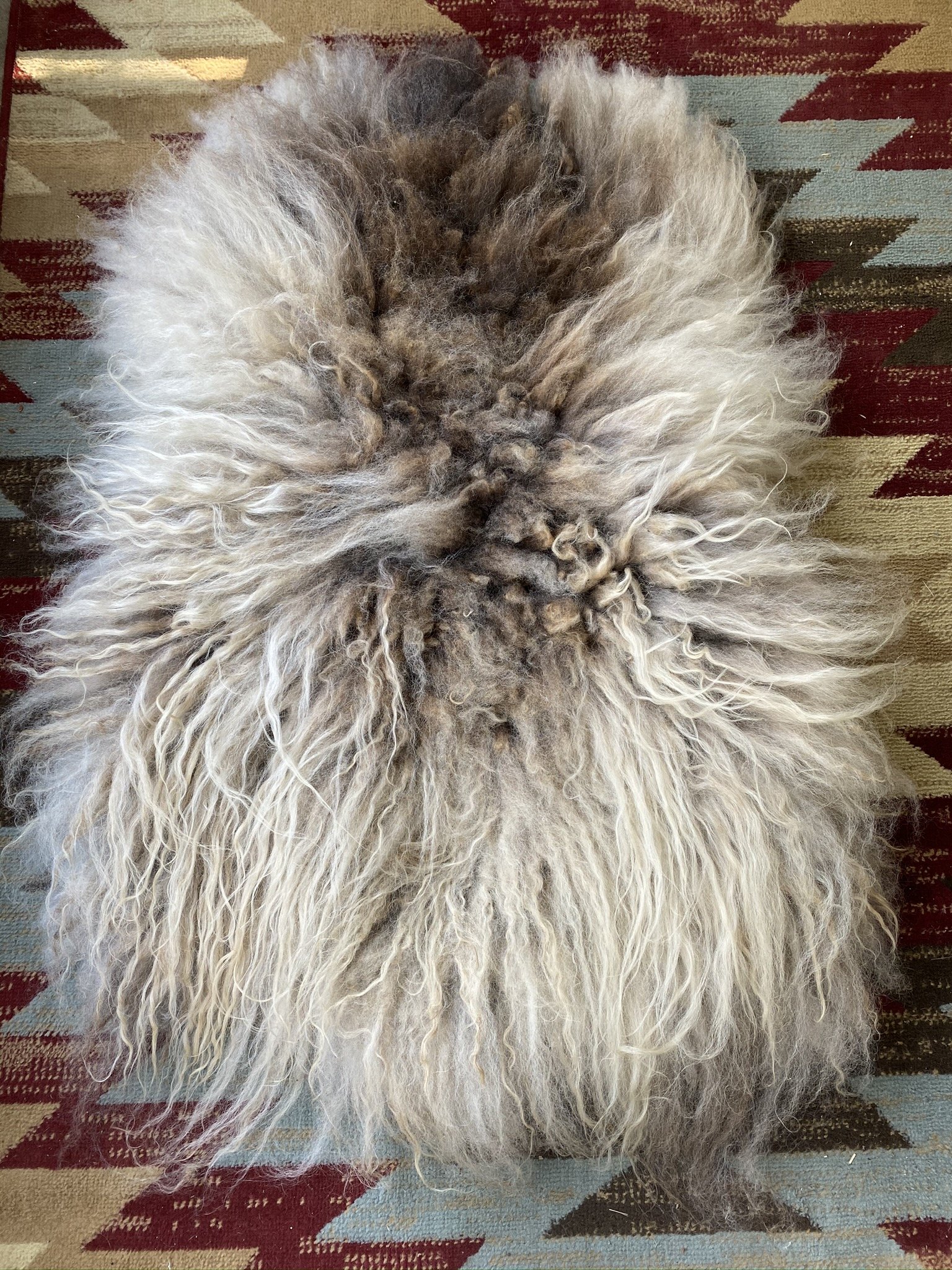
When I began my journey into hide tanning nearly a decade ago, it was difficult to find a tried and true, somewhat consistent method laid out step by step. I had to research, experiment, and try and try again to find my own way into this craft. As I shared online my journey, others wanted to learn as well, and this is how I became a teacher of this craft. I am always a student and always learning.
The process of tanning sheepskins is nothing short of magical. Knowing I am honoring an animal in such a beautiful way is a privilege as a farmer and shepherdess. When the meat is long consumed, and the bones are returned to the earth, the sheepskin will remain for many years to come.
Uses for sheepskins: Wool is incredible. Let’s start there. It promotes circulation, which is why it works great for chair pads, wheelchair seats, car cushions, and even pet beds. They add warmth and depth to a room as decor. They can be a mattress, crib, or camping pad. They are hypoallergenic, and are not flammable. Wool is springy and will not break down like typical cushions will.
The only methods I use in hide tanning are brain, egg and bark tanning. No harsh chemicals are used in the process.
THE METHODS I TEACH IN MY BOOK, ONLINE CLASS AND WORKSHOP CAN BE USED FOR OTHER SPECIES, SUCH AS DEER, GOAT, RABBIT, ETC.
SHEEPSKIN TANNING GUIDE/E-BOOK: If you want to get started on tanning sheepskins (or other species), I wrote and designed a PDF downloadable guide with the step by step process! It includes photos, the tools I use, and troubleshooting common issues.
WORKSHOPS: We host weekend long sheepskin tanning courses on our farm! Every fall we offer workshops on our farm where you can get hands on experience on how to tan a hide, and future mentorship from me.
